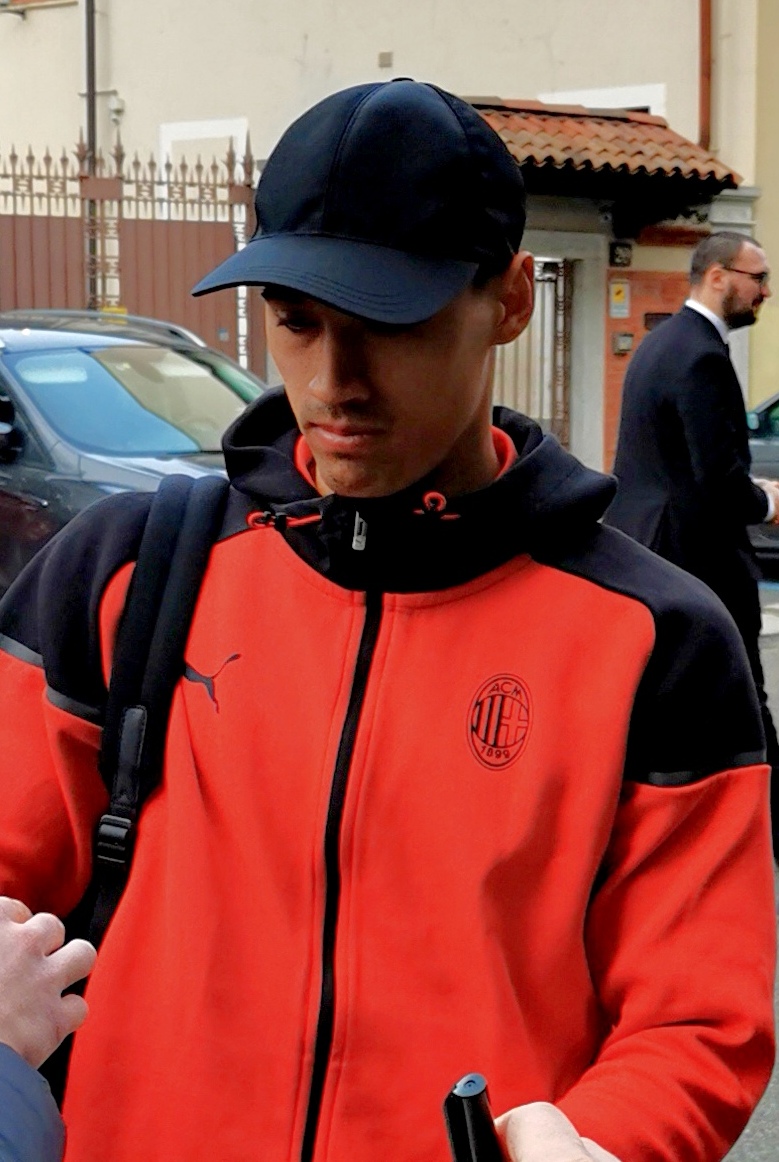
Manchester City have sold Tijjani Reijnders to Al-Qadsiah. The reported fee is around 61 million euros, thirteen months after City themselves signed him from AC Milan for a sum put at roughly 55 million. The Dutchman has signed a contract tying him to the Saudi club until 2031. On paper it is a profit. In substance it is the story of how quickly a midfielder can go from centrepiece signing to spare part.
The deal at a glance
| Item | Detail |
|---|---|
| Player | Tijjani Reijnders |
| Born | 29 July 1998 (28) |
| Position | Central midfielder |
| Height | 1.85 m |
| From | Manchester City |
| To | Al-Qadsiah (Saudi Arabia) |
| Reported fee | around 61 million euros |
| Contract | until 2031 |
| International | Netherlands (more than thirty caps) |
Neither club has confirmed the figures, so they should be taken for what they are: transfer rumours reported by several outlets.
Who is leaving the Premier League
Reijnders is neither a holding midfielder nor a number ten: he is a connecting midfielder, the sort who picks the ball up in midfield and carries it forward. Naturally right-footed, he has spent much of his career on the left of centre, in a position that lets him attack the edge of the box while others build.
At Milan that trait was the heart of his output. In 2024-25 he was named in Serie A’s team of the season and voted the league’s best midfielder: an award that grew precisely out of how far forward he arrived. Manchester City bought him in June 2025 having read exactly that.
In his one English season he put together just under fifty appearances in all competitions. That is not a small number. The point is that they were spread between starts and the bench, without a defined role ever settling.
Why City sell a player they have just bought
The answer is not about Reijnders. It is about the room he walked into.
Manchester City’s midfield emptied out all at once. Kevin De Bruyne and Bernardo Silva left the club, Rodri joined Barcelona, and the dugout changed after ten years with Enzo Maresca replacing Pep Guardiola. When a department is rebuilt wholesale, the order in which people arrive and leave matters less than the willingness to move the pieces.
In parallel the club has invested in a different profile: Elliot Anderson from Nottingham Forest, for a fee reported at around 116 million pounds. That is a way of saying the rebuild starts with those arriving, not with those already there.
Then there is the variable that speeds everything up. When an offer from Saudi Arabia comes in above the purchase price for a player who has not yet become indispensable, the financial decision more or less makes itself.
What Al-Qadsiah are buying
The club is owned by Aramco, the Saudi state oil company, and has been coached since December 2025 by Brendan Rodgers. In this same window it has already added players built in Europe, starting with Mateo Retegui, signed from Atalanta for a reported figure a little above 68 million.
The difference from the first wave of Saudi signings is age. Reijnders is twenty-eight: he is not a player at the end of his career cashing in on his last contracts, he is one in the middle of his best years. It is the same pattern seen with Retegui, and it is what makes this window different from those of 2023 and 2024.
What remains to be seen
For Manchester City the question is whether a midfield rebuilt from scratch can carry a full season’s calendar. Selling well a player who is not yet a starter is a defensible accounting decision: it becomes a problem if the department’s depth turns out to be missing in November.
For Reijnders the question is simpler and older. At twenty-eight you choose between the shirt and the contract, and in European football that choice usually arrives five years later. That it has come now, for a player voted Serie A’s best midfielder fifteen months ago, says how much the time a footballer can afford to spend waiting has shrunk.
Sources: club communications, international news agencies and specialist sports press. Figures relating to transfers and bonuses are media reports, not official contractual data.
Frequently asked questions
How much did Manchester City receive for Tijjani Reijnders?
The figure reported by the specialist press is around 61 million euros. Read it as a rumour: neither Manchester City nor Al-Qadsiah have released the financial terms of the agreement.
How much did City pay Milan for him?
In June 2025 Manchester City signed him from AC Milan for a sum reported at around 46.5 million pounds, roughly 55 million euros. Those figures were press estimates too, not official.
Who is Tijjani Reijnders?
A Dutch midfielder born on 29 July 1998 in Zwolle, 1.85 metres tall. He grew up in Dutch football and made his name at AZ Alkmaar, joined AC Milan in 2023 and Manchester City in June 2025. He has more than thirty caps for the Netherlands and was part of the squad at the 2026 World Cup.
Why did he leave Manchester City after only one season?
In his single English campaign he played just under fifty matches, but never nailed down a regular starting place. At the same time the club began a midfield rebuild that changed almost every part of it.
What kind of club is Al-Qadsiah?
A Saudi club owned by the state oil company Aramco, coached since December 2025 by Brendan Rodgers, formerly of Liverpool and Celtic. In this same window it has invested in European-standard players, among them Mateo Retegui from Atalanta.