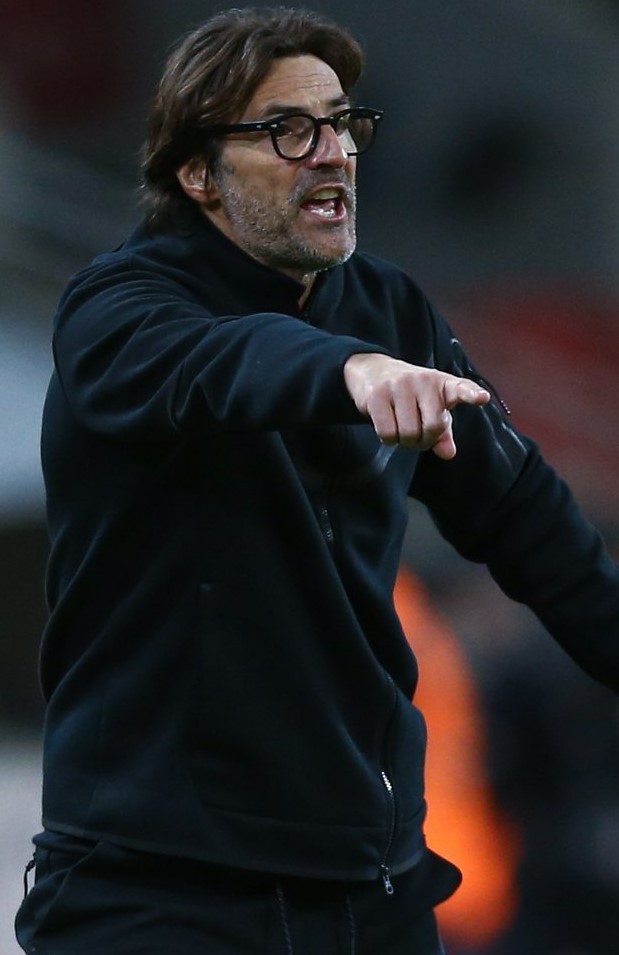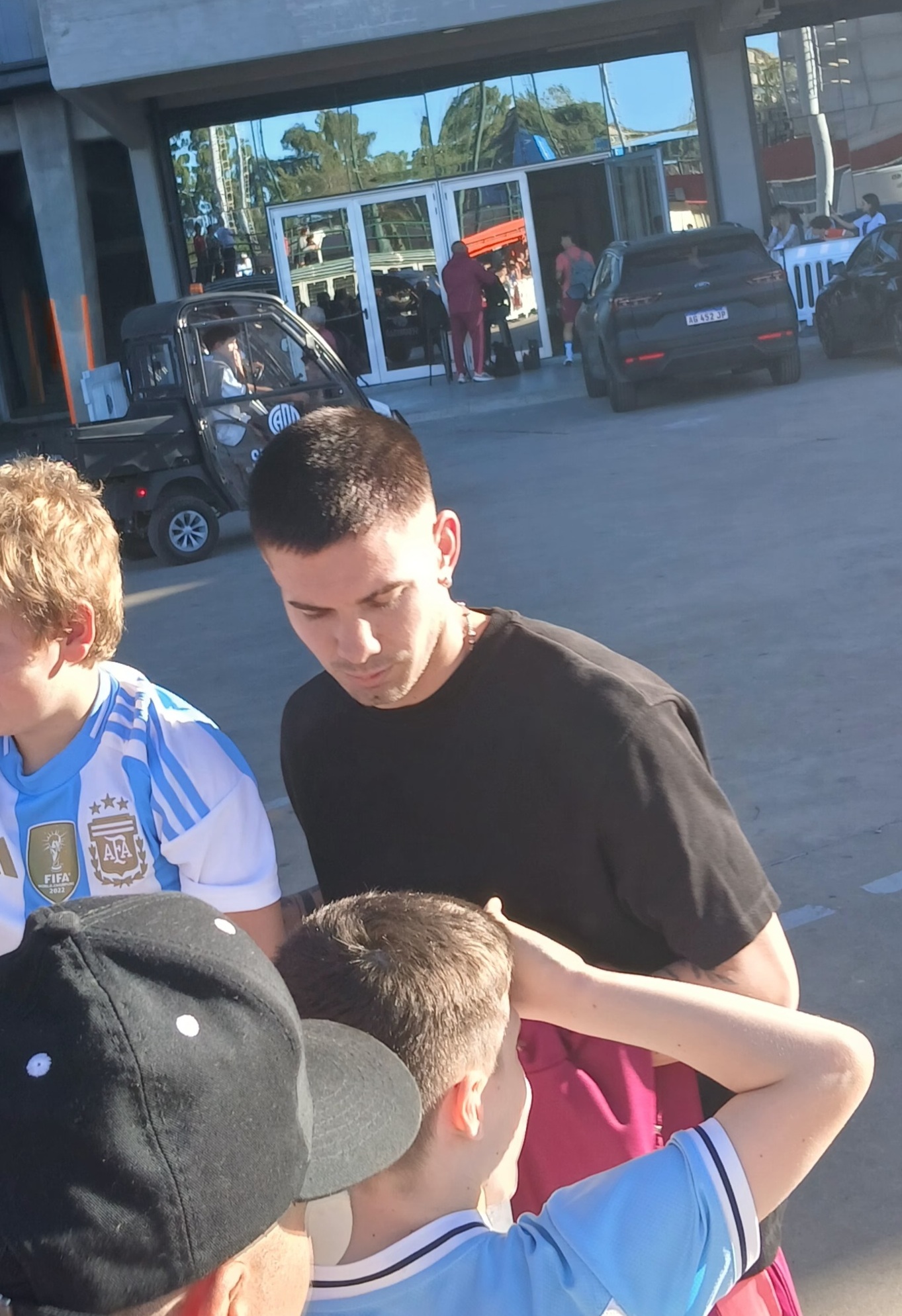
Fiorentina have signed Franco Mastantuono from Real Madrid on a one-season loan. There is no transfer fee, there is no purchase option, and according to the press part of his salary is being paid by the club letting him go. It is a deal worth reading twice, because it inverts the mechanism the transfer market has taught us: here the club releasing the player is putting money in so that he plays elsewhere.
The deal at a glance
| Item | Detail |
|---|---|
| Player | Franco Mastantuono |
| Born | 14 August 2007 in Azul, Argentina (18) |
| Position | Attacking midfielder, wide forward |
| Height | 1.78 m |
| Foot | Left |
| From | Real Madrid |
| To | ACF Fiorentina |
| Terms | Loan for the 2026-27 season |
| Purchase option | None |
| Return | June 2027 |
| Non-EU slot | Not used, he holds an Italian passport |
What the agreement contains
The structure is that of a straight loan: Mastantuono plays in Florence in 2026-27 and returns to Madrid in June 2027, with no route for Fiorentina to sign him permanently.
Everything else needs the conditional, because little is official and the accounts do not match. The one point where all sources converge is Real Madrid’s financial contribution to the player’s wages, reported at around 3.5 million euros a year and split between the two clubs according to some versions. Where they diverge is on a clause that would let Fiorentina keep him for a second season should they qualify for the Champions League or the Europa League: some report it as part of the deal, others write explicitly that no extension is possible under any scenario. Until the contracts speak, a second season is a hypothesis and not a right.
One detail that matters for registration: Mastantuono holds an Italian passport through family descent, so he does not use one of the places reserved for non-EU players. For a club that has built its transfer window around foreign profiles, that is not a footnote.
Who is arriving in Florence
Mastantuono turns nineteen next week, on 14 August, and already has a career with plenty in it.
At River Plate he finished with 64 appearances and 10 goals across all competitions, spread over two seasons: 41 matches in 2024, then 23 in the first half of 2025 with 7 goals, including those in the Copa Libertadores. In that period he collected the records that turned him into a story: the youngest scorer in the club’s history, ahead of Javier Saviola, and the youngest player to score in a Superclásico.
Real Madrid announced him on 13 June 2025, paying the 45 million euro release clause, and registered him on his eighteenth birthday on a six-year contract. His first season in Spain reads 35 appearances and 3 goals: 23 games and one goal in La Liga, 8 appearances and one goal in the Champions League, 2 in the Copa del Rey with a goal, 2 in the Spanish Super Cup. On 16 September 2025, aged 18 years and 33 days, he became the youngest player ever to start a Champions League match for Real Madrid.
He made his Argentina debut on 5 June 2025 at 17 years and 296 days, the youngest debutant in the national team’s history, and has 4 caps to date.
Why Real Madrid are paying for him to play elsewhere
The natural question is why a club that has just invested 45 million in an eighteen-year-old would agree to do without him for a year, and put money in on top.
The answer lies in the gap between training well and playing. Thirty-five appearances in a debut season at Real Madrid is not a small number, but almost all of them come inside a rotation where minutes depend on the balance of a squad built to win now. At nineteen the variable that matters is not the stage, it is the number of matches started with real responsibility.
The wage contribution is the price the owning club pays to buy those matches. It is the exact reverse of the traditional loan, where the host club absorbs the salary in exchange for a player better than it could otherwise afford. Here the asset at stake is not next season’s performance, it is the player’s development and therefore his valuation when he comes back.
Where Grosso puts him
The tactical question is open, and the pre-arrival reports split in two.
Mastantuono is a natural left footer who grew up in the attacking midfield band and who, in the modern game, is almost always placed on the right so he can come inside onto his stronger foot. It is the classic inverted winger profile with licence to drift central, the one who occupies the touchline in a 4-3-3 but lives in the middle of the pitch. Other accounts, however, describe the idea of using him as a left-sided midfielder in Fabio Grosso’s three-man midfield, a role that would demand far more work without the ball and far fewer one against one situations.
They are two different jobs, and the difference will be measured in the opening months. Fiorentina start the season away to Roma, in a first round scheduled between 22 and 24 August, and that will be the first real indication.
One local detail that carries weight in Florence: the number 10 shirt is not available. The club has retired it for its centenary season, in tribute to Giancarlo Antognoni.
What this deal tells us
The loan with a wage contribution is not a novelty, but how common it has become says a great deal about how the biggest clubs are handling talent bought very early. Buying at eighteen means paying for potential; making sure they play at nineteen means protecting that payment.
For Fiorentina the calculation is simpler and riskier at the same time: they get a player for one season who can never be theirs, and in exchange they get immediate quality in an area of the pitch that was thin. If it works, the benefit is contained within the year. If it does not, so is the cost. It is the kind of deal in which neither club risks much, and that is precisely why it has become so frequent.
Sources: official club communications, Sky Sport, Eurosport, Corriere dello Sport, La Nazione, Wikipedia and public statistical archives. Figures relating to wages and cost sharing are press reports and should be read as estimates, not as contractual data.
Frequently asked questions
On what terms does Mastantuono join Fiorentina?
A loan for the 2026-27 season, with a return to Real Madrid due in June 2027. There is no purchase option. On whether the loan can be extended by a further year should Fiorentina qualify for Europe, reports disagree: some describe it as part of the agreement, others rule it out.
How much are Fiorentina paying for Mastantuono?
There is no transfer fee, since this is a loan. According to press reports, Real Madrid would cover part of the player's wages, said to be around 3.5 million euros a year. Those are journalistic reports, not official contractual figures.
Who is Franco Mastantuono?
An Argentine attacking midfielder born on 14 August 2007 in Azul, 1.78 metres tall and left footed. He came through at River Plate, joined Real Madrid in 2025 and made 35 appearances with 3 goals across all competitions in 2025-26.
Does Mastantuono take up a non-EU registration slot?
No. He holds an Italian passport through family descent, so his registration does not use one of the places reserved for non-EU players.
What shirt number will he wear in Florence?
Not the number 10: the club has retired it for its centenary season in tribute to Giancarlo Antognoni. No official announcement of the number the Argentine will wear had been made at the time of publication.