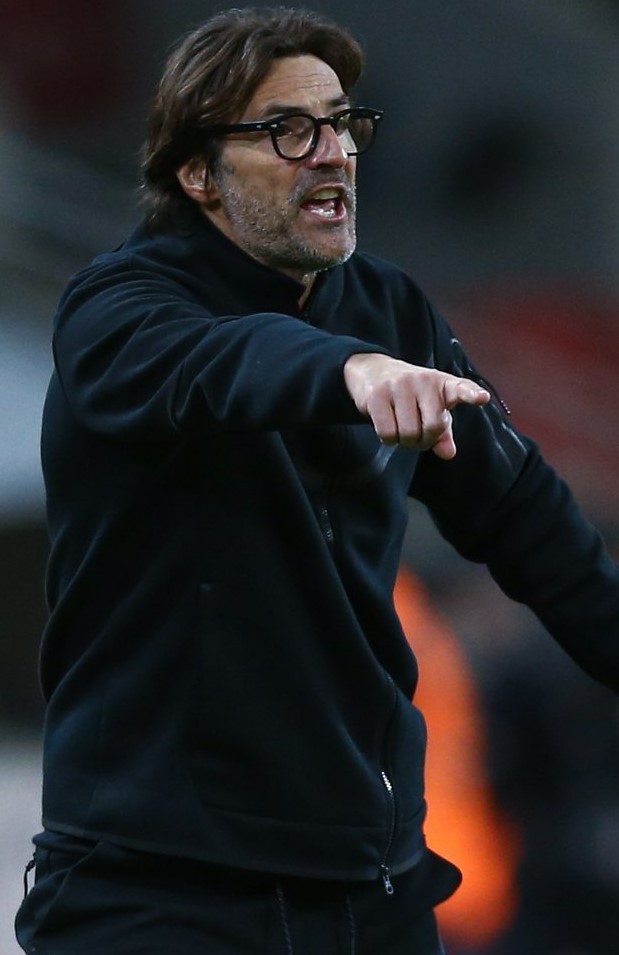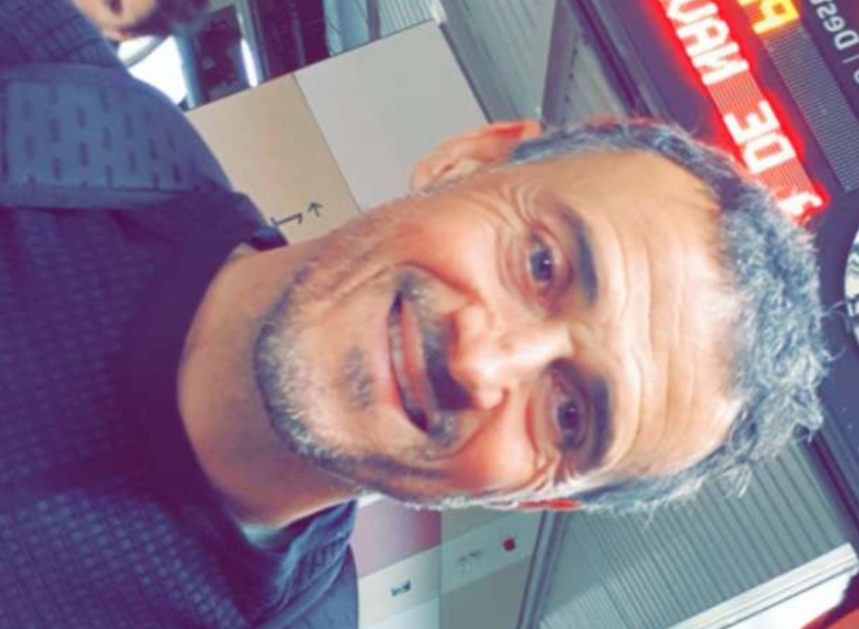
On the evening of 4 September 2026, shortly before taking the field against Monaco, Paris Saint-Germain announced six contract extensions in one go: head coach Luis Enrique until 2030, and five players, Lucas Beraldo, Senny Mayulu, João Neves and Willian Pacho until 2031, Fabián Ruiz until 2028. The club’s message on its official account is a single line: “Le Paris Saint-Germain se réjouit d’annoncer la prolongation de contrat de son entraîneur, Luis Enrique, ainsi que celles de ses joueurs”, followed by the five names.
Three days earlier, on 1 September, the French window had closed along with the Italian, English, Spanish and German ones. That is not a coincidence, and it is the interesting part.
The six signatures
| Who | Role | Age | New expiry |
|---|---|---|---|
| Luis Enrique | Head coach | 2030 | |
| Senny Mayulu | Attacking midfielder, France | 20 | 2031 |
| João Neves | Midfielder, Portugal | 21 | 2031 |
| Lucas Beraldo | Centre back, Brazil | 22 | 2031 |
| Willian Pacho | Centre back, Ecuador | 24 | 2031 |
| Fabián Ruiz | Midfielder, Spain | 30 | 2028 |
An extension is the only deal that does not need a window
A club that wants to buy needs three things: an open window, a seller who agrees and the money. A club that wants to sell needs the other side’s window to be open. An extension needs neither: it is a bilateral agreement between the club that already has the player and the player himself, and it can be filed whenever the club likes.
That is why the week after the window shuts is, across Europe, extension week. Not because of a deadline, but because it is the only move left on the table, and because until two days earlier those same signatures would have had a side effect: announcing that a player has just extended to 2031 while the market is still open either raises his price in front of whoever was negotiating, or kills a deal the club wanted to keep alive.
The different dates show how the club reads its ages
Four players out of five were given the same end date, 2031. They are 20, 21, 22 and 24. The fifth is 30, and stopped at 2028.
That is not a hierarchy of quality, it is arithmetic. A contract to 2031 signed by a twenty-year-old takes him to twenty-four or twenty-five, which is exactly the stretch of a career in which market value rises. The same contract signed by a thirty-year-old would take him to thirty-five, the stretch in which value falls and wages stay. A club that writes 2031 on four contracts and 2028 on the fifth is saying, without saying it, where it thinks its useful years are.
One thing club statements never mention is worth adding: of the five, the one with the shortest deal is also the only one with this year’s World Cup in his cabinet, won by Spain on 19 July 2026 with a 1-0 extra-time victory over Argentina. The length of a contract does not measure how good a player is now. It measures how many years the club is willing to bet he will stay that way.
What changes in the accounts, and what does not
An extension touches the accounts in two opposite ways, and they are worth keeping apart.
The registration cost, meaning what the club paid to sign the player, is spread over the length of the contract. Extending the contract lengthens the period over which the part not yet written off is spread, and therefore lowers the charge on each annual set of accounts. For a club that has to respect UEFA’s ratio between squad costs and revenue, that is immediate relief.
Wages, on the other hand, are not spread at all: they are paid in full every year, and an extension usually raises them. So the accounting benefit of the first effect is partly eaten by the second, and how much survives depends on numbers the club does not publish. Anyone who says long extensions are always an accounting trick is looking at half the equation.
The sporting context
Luis Enrique has been at Paris Saint-Germain since 5 July 2023, and under his leadership the club has won the last two editions of the Champions League, as the French press recalls in reporting the news. His previous contract ran to June 2027: the new deal adds three seasons and takes him to seven years in the same dugout, a length that has become extremely rare in elite club football.
The Champions League league phase starts on 8 September, and List A closed on the 2nd. When the club announced the six signatures, the registrations for the competition it has won twice in a row had therefore already been filed two days earlier. Which names Paris Saint-Germain put on that list is something we have not read on the document, and so we are not writing it.
Sources: official Paris Saint-Germain account, message of 4 September 2026; franceinfo, Eurosport and specialist French outlets for dates, previous expiry dates and player ages; UEFA club licensing and financial sustainability regulations for the amortisation mechanism. The club published no figures: the financial terms of the six contracts are not known.
Frequently asked questions
Who signed new deals with Paris Saint-Germain on 4 September 2026?
Head coach Luis Enrique and five players: Lucas Beraldo, Senny Mayulu, João Neves, Willian Pacho and Fabián Ruiz. The club announced them together, in a single message posted on its official account on the evening of 4 September, shortly before the Ligue 1 match against Monaco.
How long do the new contracts run?
Luis Enrique until 2030. Beraldo, Mayulu, Neves and Pacho until 2031. Fabián Ruiz until 2028. The club published no figures and no clauses, and there is no official information on the financial terms.
Why would a club extend six contracts all at once after the transfer window has closed?
Because once the window shuts, an extension is the only deal a club can still do without depending on anyone else. Buying needs an open window and a seller, selling needs an open window on the other side, while extending a contract needs only two signatures: the club's and the player's.
How old are the players who extended?
Senny Mayulu is 20, João Neves 21, Lucas Beraldo 22, Willian Pacho 24, Fabián Ruiz 30. The first four were given the same end date, 2031; the fifth, ten years older than the youngest, stopped at 2028.
How long did Luis Enrique's previous contract run?
According to French outlets it was due to expire in June 2027. The new agreement ties him to the club until 2030, adding three seasons. Luis Enrique arrived at Paris Saint-Germain on 5 July 2023.
Does an extension affect a club's accounts?
Yes, and not trivially. The cost of a signed player's registration is spread over the length of his contract: extending the contract lengthens the period over which the remaining cost is spread, and therefore lowers the amount charged to each single set of accounts. Wages, by contrast, are not spread: they are paid in full every year.