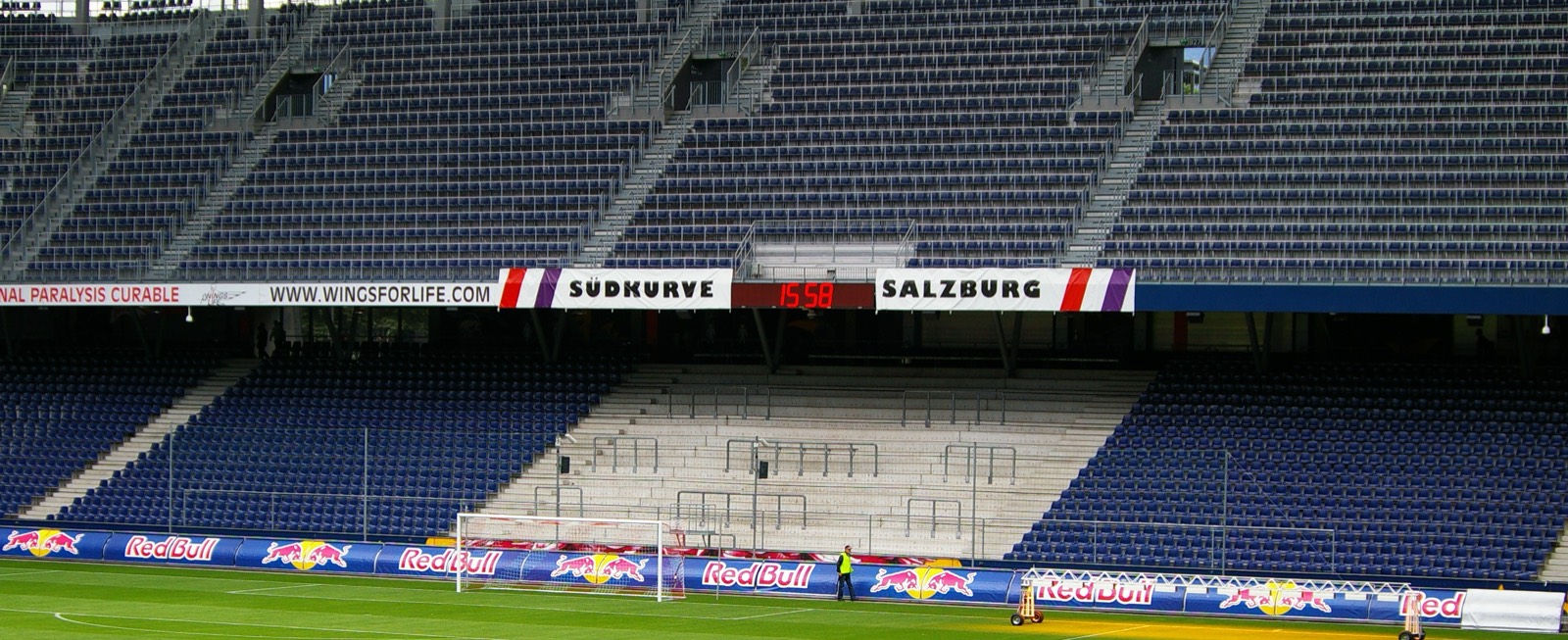
At 21:00 on Wednesday 12 August, at the Red Bull Arena in Salzburg, Paris Saint-Germain and Aston Villa play the UEFA Super Cup. It is the fifty-first edition and the first ever staged in Austria. Both arrive with half a squad short of condition, and that is exactly what makes the match worth reading: when the best individuals are absent or not ready, what stays on the pitch is the framework.
How they got here
| Item | PSG | Aston Villa |
|---|---|---|
| Qualifying title | 2025-26 Champions League | 2025-26 Europa League |
| Final | 1-1 with Arsenal, 4-3 on penalties | 3-0 against Freiburg |
| Date and venue | 30 May, Budapest | 20 May, Istanbul |
| Manager | Luis Enrique | Unai Emery |
| Summer signing cited | Maghnes Akliouche | Alejandro Garnacho, João Gomes |
Two teams halfway through pre-season
PSG have played very little this summer: a 3-0 defeat to Mallorca and a 1-1 draw with Manchester United. On the eve of the final several players returning from the World Cup, from Achraf Hakimi to Ousmane Dembélé, were listed as doubtful, which opens the door for the younger members of the squad.
Aston Villa took the opposite route: an Asian tour with six friendlies, including defeats to Porto, Real Sociedad and Bayern Munich. The number that matters more than the results is another one: they have not kept a clean sheet in their last five outings, and conceded four against Real Sociedad. Leon Bailey is out with a muscle injury and Amadou Onana faces a long absence with a cruciate ligament tear, while Boubacar Kamara is back after his January problem.
Why structure survives absences and relationships do not
There is a distinction worth using to read matches like this one. Some teams play by positional reference: the pitch is divided into zones, and what matters is that somebody occupies them at the right moment, more than who that somebody is. Others play by relationships: the automatisms come from mutual understanding between two or three specific players, and if one of the three is missing the chain breaks.
The first model takes longer to teach and is easier to replace players within. The second produces better combinations when the team is complete, and switches off when the right piece is unavailable.
A mid-August final is the natural test of that difference. If PSG field an attack with more twenty-year-olds than regular starters and still build in the same way, holding the width high and looking for the third man, it means the structure is independent of the names. If instead the play becomes a series of individual duels, the automatisms depended on the men who today are in the stand or short of fitness.
What to watch on the pitch
Three things, more useful than the scoreline.
The first is how high Villa press. A team without a clean sheet in five games can choose to defend deeper to protect the space behind, or push up to deny PSG the room to build. Those two choices produce different matches.
The second is who holds the width for PSG. With the first-choice wide players in doubt, the job of stretching the opposition defence falls to those with fewer minutes in their legs, and width is the first detail a tiring player gives up.
The third is ball retention in the opening fifteen minutes. In August running is not yet automatic, and the cheapest way to avoid running is to keep the ball: whoever does it better controls the game even without shining.
The value of a trophy in August
The pre-match statistics say Emery has lost all three Super Cup finals he has contested, while Luis Enrique has won both of his. It is the kind of number that decides nothing, but it frames the context: PSG arrive as holders of this trophy too, won a year ago on penalties against Tottenham after trailing by two goals until the eighty-fifth minute.
Neither club will leave Salzburg with a definitive verdict on its season. But a European trophy, even halfway through pre-season, is a real match with a cup inside it, and in those conditions you get a clearer than usual view of what a team can do without thinking about it.
Sources: official UEFA and club communications, public archives of the European competitions, international sports press. Pre-match line-ups are journalistic predictions rather than official announcements.
Frequently asked questions
When and where is the 2026 UEFA Super Cup played?
On Wednesday 12 August 2026 at 21:00 at the Red Bull Arena in Salzburg. It is the fifty-first edition and the first held in Austria.
Why are PSG and Aston Villa involved?
PSG won the 2025-26 Champions League, beating Arsenal 4-3 on penalties after a 1-1 draw in Budapest on 30 May. Aston Villa won the 2025-26 Europa League, beating Freiburg 3-0 in Istanbul on 20 May.
What does a final played in mid-August actually measure?
Little about form, a lot about framework. With incomplete squads and World Cup players still behind, you can see how much a team depends on its positional structure and how much on specific individuals.
Who are the main absentees?
Villa are without Leon Bailey with a muscle injury and Amadou Onana with a cruciate ligament tear, while Boubacar Kamara is back after his January problem. Several PSG players returning from the World Cup, including Hakimi and Dembélé, were listed as doubtful on the eve of the match.
Is there recent history between the two clubs?
Yes: in the 2025 Champions League quarter-finals PSG knocked Villa out with an aggregate score of 5-4 over two legs.