Between 22 and 23 August four clubs confirmed four loans, and none of the four has the same contractual shape. These are the statements from Lazio, Ajax, Udinese and Venezia: four different ways of lending a player, with different consequences for who will play and who will pay.
The four deals
| Player | From | To | Formula stated by the club |
|---|---|---|---|
| Josip Šutalo | Ajax | Lazio | temporary transfer with an option to buy |
| Abdoulaye Camara | Udinese | Ajax | season-long loan with an option to buy |
| Adam Buksa | Udinese | Mallorca | loan with an obligation to buy on certain conditions |
| Antonio Casas | Venezia | Sporting Gijón | loan with an option to buy and an obligation on certain conditions |
All of these are official wordings, taken from the statements. The figures attached to the deals circulate in the papers but are not confirmed by the clubs, and should be read as reports.
The scale that runs from free to bound
The formulas are not synonyms. Lined up, they describe a precise scale of commitment.
The straight loan. The player goes, plays, comes back. No right to buy, no commitment. It is the shape big clubs use for young players they want to develop without giving up control, and the one that leaves most freedom to the coach who takes him: no contract tells him how much the player has to play.
The loan with a right or option. The club taking the player can buy him at a price fixed in advance. It is an option in the financial sense: you pay a little today to hold the right, not the duty, to decide in a year. The risk stays with the club lending him, which in June may find itself with a player nobody wants.
The conditional obligation. The right turns into a duty if something defined in the contract happens. It is the most common shape today, and the most interesting to read.
The pure obligation. The transfer is already decided, it is simply paid later. In practice it is a sale in instalments dressed as a loan, often for accounting reasons.
Why the conditional obligation changes matches
The most common condition is a number of appearances, often counted only if the player stays on the pitch for a minimum number of minutes. That contractual detail walks into the dressing room.
A coach with a loanee whose obligation triggers at twenty appearances of forty-five minutes knows that in the nineteenth game his choice is not only about the line-up. If he plays him, the club buys. If he leaves him out, the club saves. Nobody writes it in the statements and almost nobody admits it in a press conference, but the pressure is real, and its existence is why these contracts are drafted by lawyers rather than agreed with a handshake.
For the player the effect flips depending on which side of the threshold he sits. Below it, every game played brings him closer to a multi-year contract. Above it, his future is already written and the side can afford to use him differently.
The Casas case, which has both
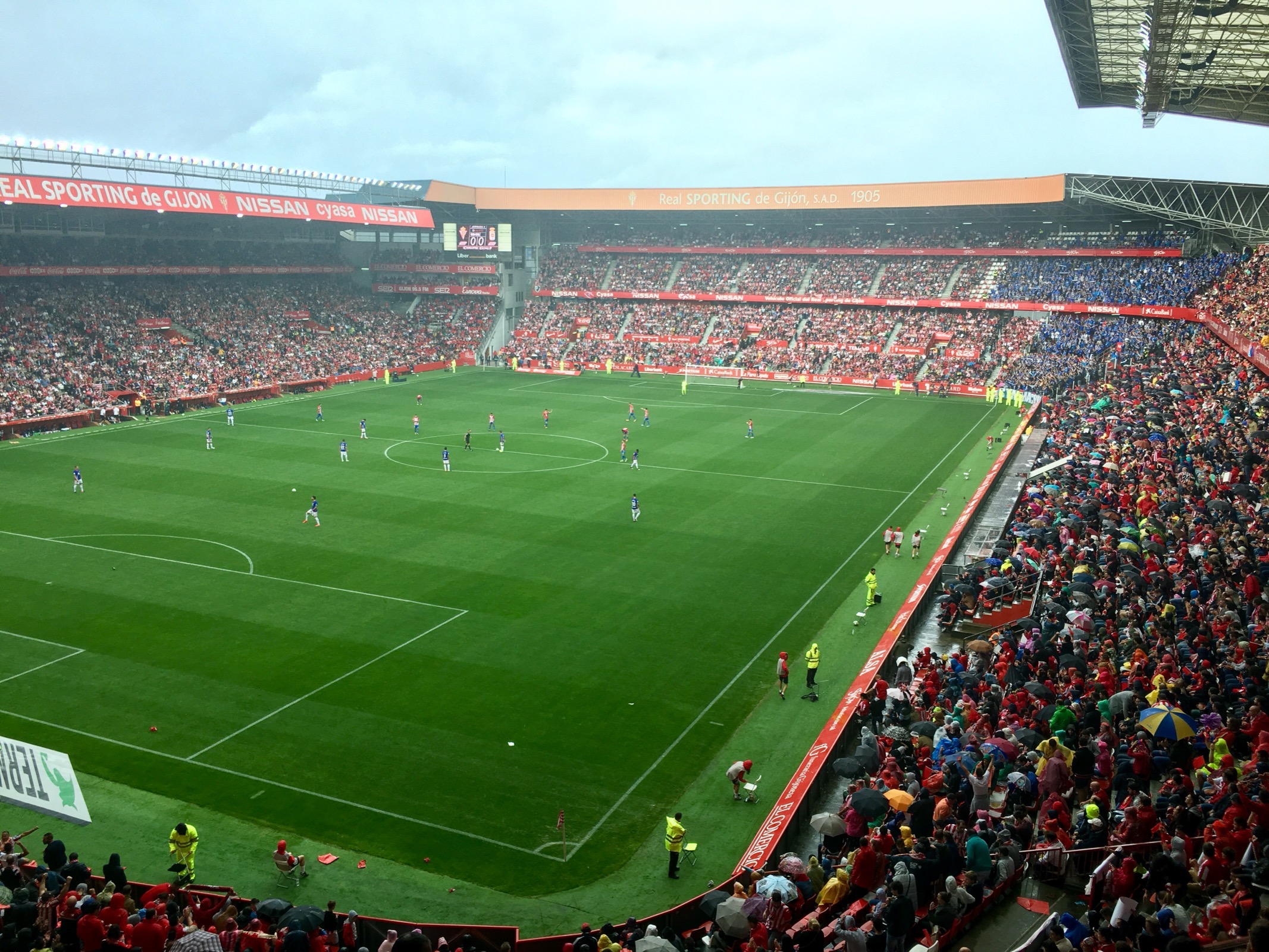
The deal between Venezia and Sporting Gijón is the most layered of the four: an option to buy plus an obligation on certain conditions. Antonio Casas, twenty-six, a forward from Córdoba, spent a single season in Italy, with twenty-four league appearances and three goals in the year of Venezia’s promotion.
A profile like that, a squad player in a promoted side, is exactly what this double formula exists for. The Spanish club gets a forward of the right level without paying up front and without binding itself; Venezia protect themselves, because if Casas plays a lot and plays well the sale becomes automatic instead of turning into a negotiation to be redone in June.
What this window says
Four deals confirmed in forty-eight hours, four different formulas: this is not a piece of paperwork, it is a reflection of how expensive it has become to get a signing wrong.
The conditional loan moves the decision from the moment of the signature to the pitch. Instead of betting in July on how a player will do, clubs write a contract that decides by itself according to what happens. It is efficient in financial terms and it has a side effect worth acknowledging: part of the season’s technical choices is set months in advance, by a document nobody will ever read.
What is left to find out
The question no statement answers concerns the thresholds. How many appearances Buksa needs for Mallorca to be obliged to buy him, how many Casas needs in Gijón, what Camara has to do for Ajax to exercise the option.
Those numbers decide the season of four players and they are not public. They will only be visible in reverse, when in May somebody stays on the bench in the wrong game and it becomes clear why.
Data and information collected from public sources: official club statements, Wikipedia, statistical archives and sports press. Financial figures are press reports, not data confirmed by the clubs.
Frequently asked questions
What is the difference between a right and an obligation to buy?
A right leaves the club taking the player free to buy him or not when the loan ends. An obligation binds them to the purchase. A conditional obligation sits in between: it becomes binding only if events set out in the contract occur.
Which conditions trigger an obligation to buy?
Usually a minimum number of appearances, often with a minimum number of minutes per game, or a sporting outcome such as promotion or survival. The exact wording is almost never published by clubs.
Which loans were confirmed between 22 and 23 August 2026?
Josip Šutalo from Ajax to Lazio with an option, Abdoulaye Camara from Udinese to Ajax with an option, Adam Buksa from Udinese to Mallorca with a conditional obligation and Antonio Casas from Venezia to Sporting Gijón with an option plus a conditional obligation.
Why does the formula change the player's minutes on the pitch?
Because an obligation tied to appearances creates a financial incentive to field him or to keep him out, and that incentive enters the coach's room even when nobody says so.