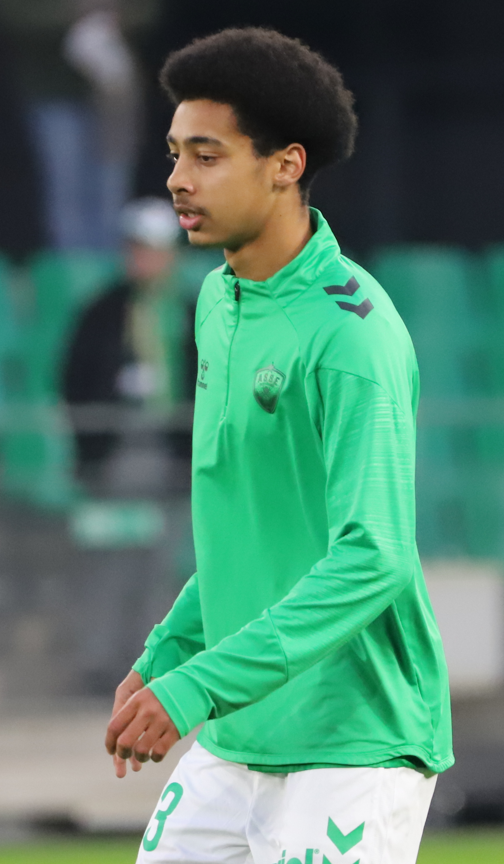
On 30 August 2026 Juventus announced the permanent signing of Ali Camara, an 18-year-old Belgian forward, from Genk, on a contract until 30 June 2030. The club statement presents him as a profile of great promise and sends him to the Under 20 side. Behind that standard formula, though, there is something almost no player of his age anywhere on the market can show: a round thousand minutes already played in senior football, nearly all of them at seventeen.
The profile at a glance
| Item | Detail |
|---|---|
| Player | Ali Camara |
| Born | 13 January 2008 (18) |
| Nationality | Belgian, with Guinean citizenship in addition |
| Position | Wide forward, right winger by natural role |
| Height | 1.79 m |
| Foot | Not given by public sources |
| Club | Juventus, permanent deal from Genk |
| Contract | Until 30 June 2030 |
| Shirt number | Not announced yet |
| Senior career | 24 appearances, 1 goal, 4 assists, 1,000 minutes |
Five years inside the Genk academy
Camara was not born inside the Genk youth system. He arrived there on 1 July 2021, at thirteen, on a free transfer from the OH Leuven academy, which he had joined in 2014. From there the path is the classic one of a Belgian academy that works: the KRC Genk Under 18 side from 1 July 2024, and from 1 July 2025 the step up to Jong Genk, the B team that plays in a senior league.
Juventus, in their statement, compress all of it into one line: “Born in 2008 and brought up in the Belgian club’s youth system, Camara is a profile of great promise who can already point to several appearances in the Belgium youth national team set-up”. The wording about the national teams is in the plural and should be left exactly as the club writes it, because the only verifiable public figure concerns the Under 19: three appearances and one goal. How many the others are, and in which age groups, is not a number you can find.
The comparison with the forward factory, kept honest
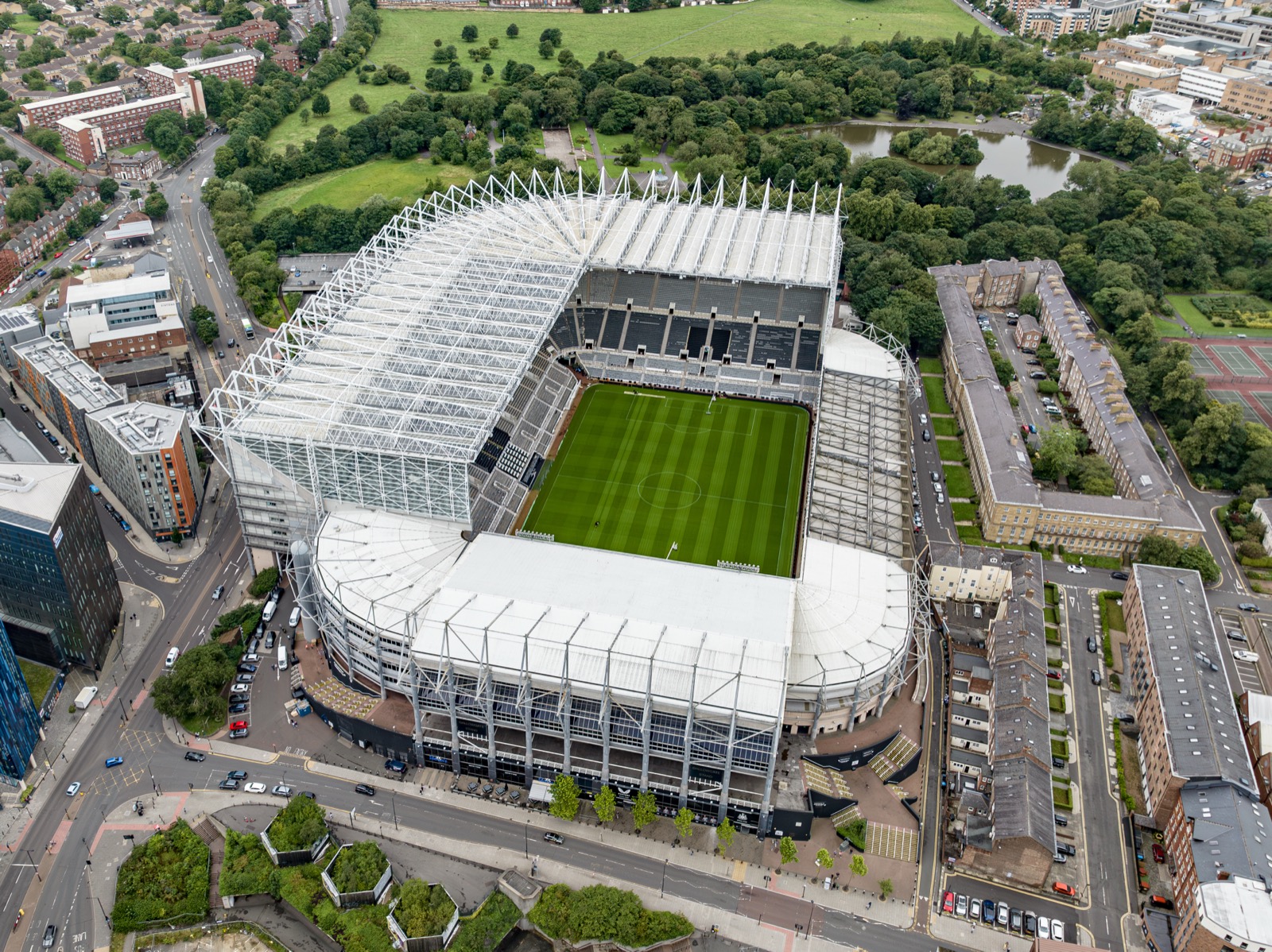
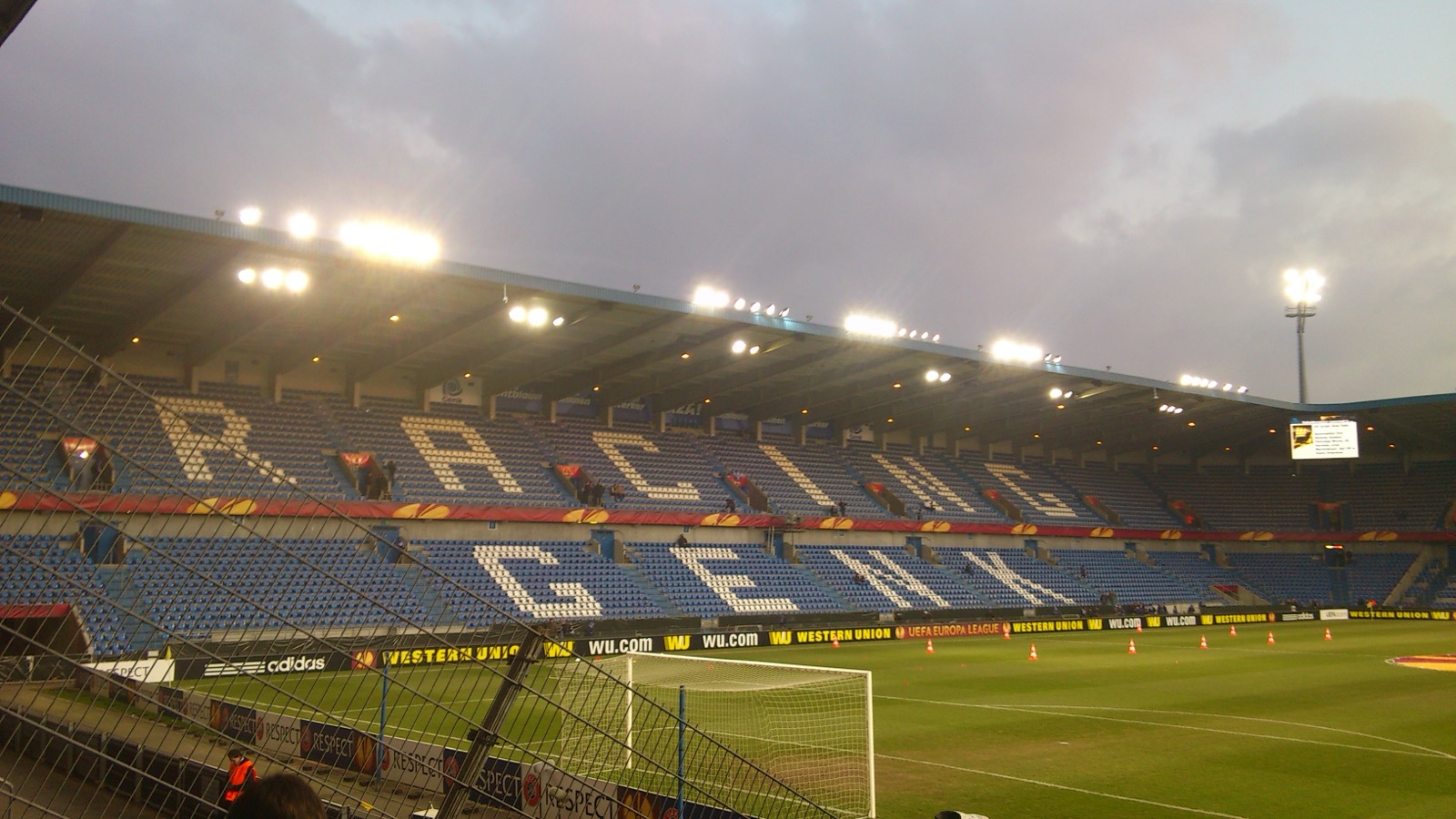
Genk is a club that produces talent and sells it, and on this the English language encyclopedia entry devoted to KRC Genk is explicit: it writes that the club “is well known for its outstanding youth academy” and recalls that in 2003 it built its own youth centre next to the stadium, with a programme developed by Ronny Vangeneugden. That same entry, and not the club, lists among the products of the academy names like Divock Origi, Christian Benteke and Jelle Vossen, which is exactly the type of forward you would be tempted to compare an eighteen-year-old just sold to Serie A with.
The comparison holds, as long as you say where it comes from. It is an encyclopedic reconstruction, not a club figure, and above all it says nothing about Camara: it says something about the place he comes from. That place, incidentally, is a Belgian first division club that plays at the 23,718 seat Cegeka Arena and has four league titles in the cabinet (1998-99, 2001-02, 2010-11, 2018-19), five Belgian Cups and two Super Cups.
A thousand minutes before turning nineteen
Here sits the figure that makes this transfer different from dozens of similar deals. Camara does not arrive from a Primavera youth league: he arrives from twenty-four matches in the Belgian second division.
The count in full. Season 2025/26 in the Challenger Pro League with Jong Genk: 22 appearances, 1 goal, 4 assists, 975 minutes, played at seventeen. Season 2026/27, the first two matchdays before the transfer: 2 appearances, no goals, no assists, 25 minutes. Total in senior football at the moment of signing for Juventus: 24 appearances, 1 goal, 4 assists and exactly one thousand minutes.
The figure has to be weighed, though, and weighing it badly is the simplest way to write a wrong piece. Jong Genk is a B team: in 2025/26 it finished eleventh with a squad of thirty players and an average age of 18.7. It is a context built on purpose to let boys play against grown men. Those thousand minutes say that Genk considered him ready for the senior game, not that he has already made a mark on a team playing to win something.
Eleven starts, eleven from the bench
The type of usage is even more telling than the total. The 22 appearances of 2025/26 split perfectly symmetrically: eleven as a starter and eleven coming on, and he was in turn substituted eleven times. That makes 975 minutes across 22 matches, in other words a little more than 44 minutes a game. It is the track record of a rotation player who is given half a match, not of a fixed starter.
At the start of the following season the signal becomes sharper still: two matches, both from the bench, twenty-five minutes in all. Juventus take him at a moment when he was playing less at Jong Genk, not more. That is not a flaw in itself, because in a B team minutes rotate by definition, but it is a detail that counts.
One goal and four assists: creator before finisher
The attacking output of the full season is 1 goal and 4 assists. A forward filed as a right winger who in one season sets up a team mate four times and scores only once tells you, for now, more about the man of the final pass than about the finisher.
It fits with the way public archives describe where he is positioned: right wing as the natural role, left wing and centre forward as alternatives. A wide man who starts from the flank, in short, used when needed on the other side too and as a central reference point. Juventus, in their statement, stick to the word “forward”: that is not a contradiction, it is simply less precise.
Beyond this, however, you cannot go, and it is worth saying so openly. Camara’s preferred foot is not public information: the column that reports it in the detailed squad lists is filled in for his team mates and comes up empty for him, and no statement declares it. From the fact that he plays on the right nothing can be deduced, because left footed right wingers are extremely common. For the same reason you will not find it written here that he cuts back onto his strong foot, that he beats his man or that he attacks the space behind: those are the sentences you write while looking at a position box instead of a source.
One figure that does exist, and is worth recording: in 22 matches he picked up a single booking, with no sendings off.
Under 20 or Next Gen: the destination is not settled
There is one point on which the sources do not tell the same story, and it is better to make it clear than to hide it.
The official Juventus statement is unambiguous: “The young talent will go on to strengthen the attacking department available to the Under 20”, in other words the side that plays in the Primavera 1 league, with a squad of thirty-five players. Public statistical archives, on the other hand, have recorded Camara in the squad of Juventus Next Gen, which is a different thing: the second team that plays in Serie C Group A, thirty-nine players, average age 20.7, home at the 5,827 seat Giuseppe Moccagatta stadium in Alessandria. The headline of the statement also opens with the tag “Next Gen”, but that is the label under which the club website files all of its youth sector news.
When a club source and an archive diverge, the source that weighs more is the club statement: the declared destination is the Under 20. But until an official team sheet comes out with his name in it, the question remains technically open.
There is one element pushing in the same direction as the statement: the length of the contract. Four full seasons, until 30 June 2030, are the signature a club puts on a profile it wants to give time to, not on a squad reinforcement to be spent straight away.
What has not been declared
The silence, in a deal like this one, says almost more than the few lines that were written.
There is no figure. The Juventus statement indicates no fee and limits itself to saying that the player “arrives on a permanent deal from Genk”, while in the public archives the cost field carries a question mark: that means a sum not made public, and it must not be converted into an estimate. The only economic number in circulation is an estimated market value of 350,000 euros updated to 30 April 2026: it is an editorial database valuation, not a price and not an accounting figure.
There is no shirt number: the pages with the Next Gen and Under 20 squads on the club website were both being updated at the moment of the announcement. The 67 that appears in the archives is the number Camara wore at Jong Genk, and it has nothing to do with the one he will have in Turin.
There is no place of birth, which appears neither in the statement nor in the public profiles, and with dual Belgian and Guinean citizenship a guess would be a bet and not a piece of news. And there is not even a clarification about the club he leaves: Juventus write “from Genk”, while the team he was playing in is more exactly Jong Genk, the B side competing in the Challenger Pro League. It is not a contradiction, it is a press release simplification.
What to watch from here on
Three things, and none of them is only about goals.
The first is where he will actually be fielded. Primavera 1 and Serie C are two worlds with two different speeds, and the difference between one and the other will say more than any presentation.
The second is whether that ratio between goals and assists will change. A wide forward who at seventeen serves his team mates four times and scores only once has a quality that is already visible and a limit that is just as visible: in Italy they will almost certainly ask him to make an impact inside the box as well.
The third is the minutes. Someone who arrives with a thousand real minutes behind him starts ahead of a player of the same age who has only played youth football, but the track record of the last year remains that of a rotation player. The long contract says that Juventus are willing to wait; the pitch will say whether waiting was really needed.
Data gathered from public sources: the official Juventus statement of 30 August 2026, public statistical archives and encyclopedia entries. No financial figure has been declared by the clubs: the market value quoted is a database estimate, not a fee. The preferred foot, the place of birth and the shirt number at Juventus are not public information at the time of publication.
Frequently asked questions
Who is Ali Camara?
A Belgian wide forward born on 13 January 2008, 18 years old, 1.79 metres tall, with dual Belgian and Guinean nationality. Brought up in the OH Leuven youth system until 2021 and then in the KRC Genk one, he played the whole of last season and the start of the following one with Jong Genk, the club's B team, in the Challenger Pro League. Since 30 August 2026 he has been a Juventus player.
What kind of deal is the one with Juventus?
A permanent transfer with a contract until 30 June 2030, in other words four full seasons. Juventus say so in their statement of 30 August 2026. No fee has been declared: the statement gives no figure and public archives leave the cost field with a question mark, which means a sum not made public.
How many minutes has he played in senior football?
Exactly one thousand, in twenty-four Challenger Pro League matches, all of them with Jong Genk. In the 2025/26 season, played at seventeen, he put together 22 appearances, 1 goal, 4 assists and 975 minutes. In the first two matchdays of 2026/27, before the transfer, another 2 appearances off the bench for 25 minutes.
Will he play for the Under 20 or for Juventus Next Gen?
The sources do not say the same thing. The Juventus statement writes that he will go on to strengthen the attacking department available to the Under 20, that is the side which plays in the Primavera 1 league. Public statistical archives, on the other hand, have recorded him in the Next Gen squad, the second team that plays in Serie C Group A. Until an official team sheet comes out the question remains open: the source that weighs more is the club statement.
What position does he play and with which foot?
Juventus describe him generically as a forward. Public archives are more precise and list him as a right winger by natural role, with left wing and centre forward as alternative positions: a wide forward who starts from the flank, not a pure number nine. The preferred foot is not public information: the column that reports it is filled in for his team mates and is empty for him, and the statement makes no mention of it.